The Masai Mara delivers two genuinely different safari experiences depending on when you visit. Migration season brings a spectacle of staggering scale. Non-migration months reveal a quieter, often more intimate version of the same landscape. Choosing between them is not a question of better or worse — it is a question of what kind of wildlife encounter you are after.
This guide breaks down the Masai Mara migration vs non-migration season comparison across wildlife, crowds, cost, and photography conditions so you can match your travel window to what you actually want to see.
What Happens During Masai Mara Migration Season
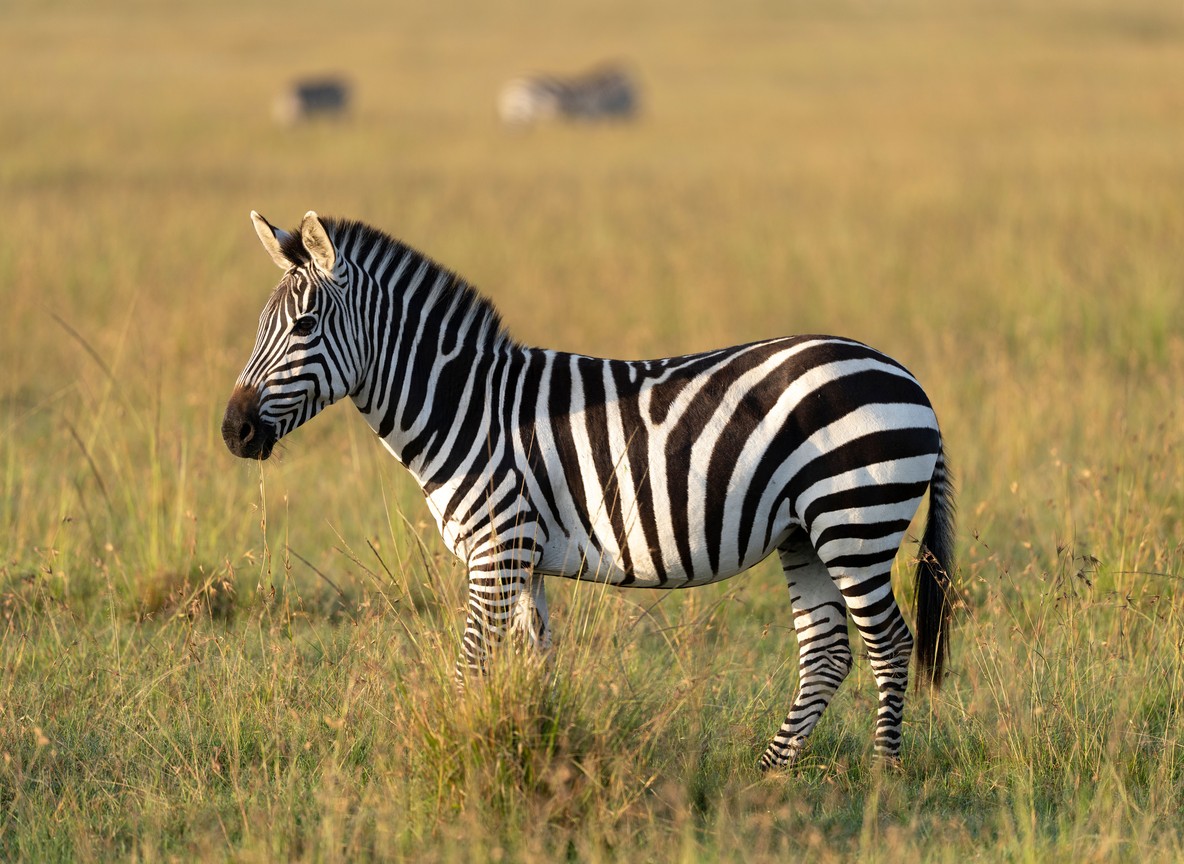
The Great Migration — more than 1.5 million wildebeest and 500,000 zebra — enters Kenya’s Mara ecosystem between July and October.
The rough timeline runs like this:
- July: Herds arrive in Kenya; early Mara River crossings begin
- August: Peak crossing season; crossings can occur multiple times in a single day
- September: Herds spread across the Mara; crossings continue
- October: Final crossings before the herds begin moving south again
The drama centers on the Mara River. Nile crocodiles wait in pools as thousands of wildebeest gather on the banks before plunging in. The crossings set off a chain reaction of predator activity across the reserve. Lion prides, cheetahs, and hyenas all respond to the concentration of prey moving through the landscape.
Vehicle density is at its highest during this window. Peak migration months — particularly August — attract significant numbers of visitors. Camps and lodges book out 6 to 12 months in advance, and accommodation rates reach their annual peak. The atmosphere is intense but crowded, especially at popular crossing points.
The Masai Mara Outside Migration Season
The common concern — that the Mara without wildebeest is somehow diminished — does not hold up. The reserve supports 95 mammal species on a permanent basis. Lions, leopards, cheetahs, elephants, buffalo, hippos, and hundreds of bird species are residents. They do not follow the wildebeest south.
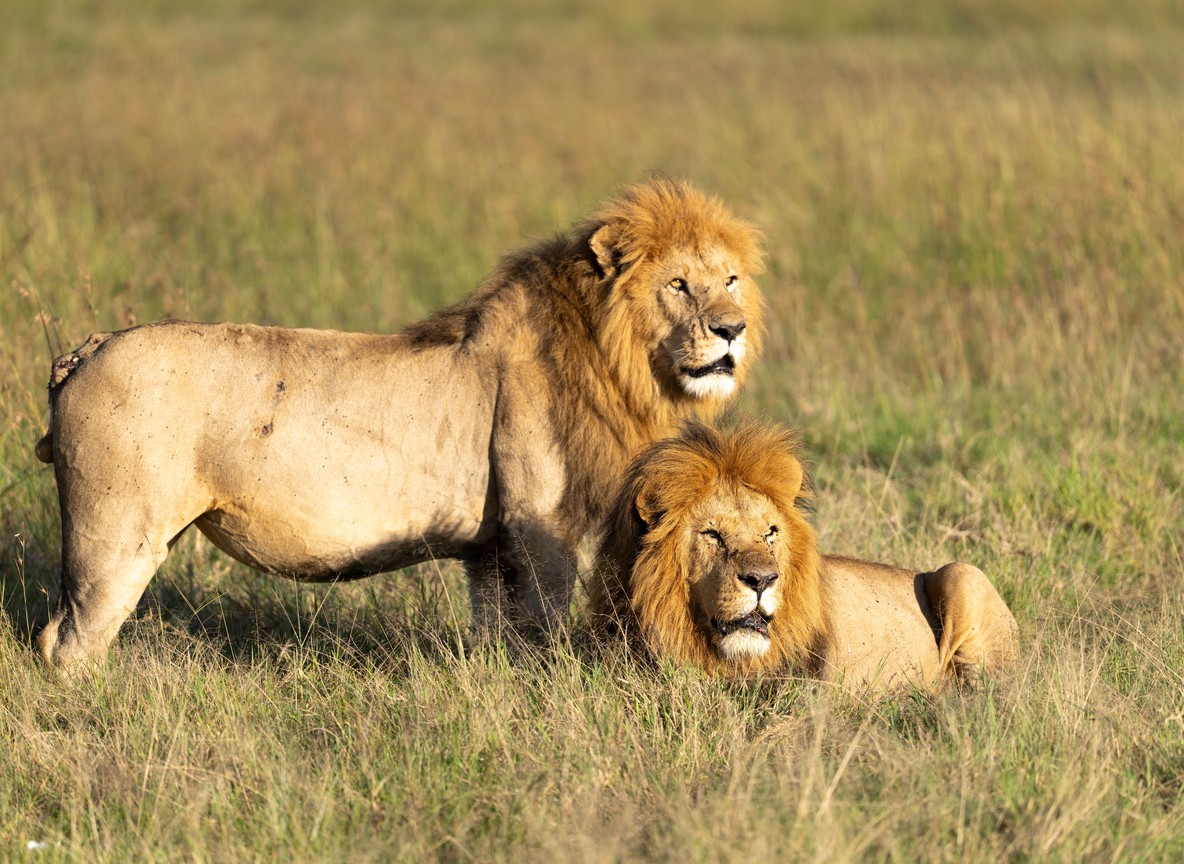
Lions live in multiple resident prides and are present in every month. Some of Africa’s most-studied lion populations call this ecosystem home.
Leopards are consistently sighted along the riverine forest bordering the Mara and Talek rivers throughout the year.
Cheetahs benefit from the open plains. Sightings are often best in January and February when short post-rain grass improves long-distance visibility.
Cape buffalo form enormous herds on the plains and are frequently overlooked when migration season pulls attention toward wildebeest. Outside that window, a mass of several hundred buffalo becomes the main event.
Hippos occupy the Mara River in every month. The same Nile crocodiles that hunt wildebeest during crossings remain in those river channels year-round.
January and February: Short Dry Season
These months are frequently rated among the best of the entire year by guides working the Mara. Grass is short from recent rains, then dries quickly, which sharpens visibility. Cheetahs and lions are highly active, and the calving season playing out in the southern Serengeti generates predator pressure that extends close to the Kenya border. Crowd levels are low compared to migration season, and accommodation rates sit well below peak pricing.
June: The Green Transition Month
June sits just ahead of the wildebeest herds, but zebra begin arriving in Kenya several months earlier. By June, the reserve is vivid green from the April long rains, conditions are good for big cats, and roads have dried sufficiently for comfortable game drives. Pricing sits in the mid-range. For travelers who want the build-up without the full crowds of peak August, June is a well-positioned option.
November: After the Herds Leave
The short rains arrive in November, the wildebeest cross south, and visitor numbers drop. The plains turn intensely green, dramatic cloud formations move in, and predator sightings remain strong. Newborn prey animals from the short rains attract lion and cheetah activity. Photography conditions are exceptional: clear air, vivid color, and striking skies. Rates at this time are among the lowest of the year.
April and May: Approach Carefully
The long rains of April and May bring challenging road conditions across the reserve. Visitor numbers are at their lowest. Early March and early June remain workable. Late April and May are genuinely difficult months and suit only travelers with a strong interest in the landscape itself, or those on a tight budget prepared to accept limited mobility.
Migration Season vs Non-Migration Season at a Glance
| Factor | Migration Season (Jul-Oct) | Non-Migration (Jan-Feb, Jun, Nov) |
|---|---|---|
| Wildebeest herds | Yes, 1.5 million+ | No |
| Mara River crossings | Yes | No |
| Resident big cats | Excellent | Excellent |
| Predator activity | Maximum | Very good |
| Vehicle density | High | Low to moderate |
| Accommodation cost | Peak rates | Shoulder or low rates |
| Advance booking needed | 6-12 months | 4-8 weeks |
| Photography conditions | Dusty, golden light | Clear air, green landscapes |
| Overall atmosphere | Intense and crowded | Intimate and wide-open |
Photography Conditions by Season
For photographers, the non-migration months carry real advantages. August is dusty and golden — striking for certain images but limiting for landscape variety and fine detail. January and February offer short grass, clear air, and precise light that produces sharp wildlife images against clean backgrounds. June delivers vivid green plains against dramatic skies. November brings storm light and rich color that is difficult to replicate in the dry season.
Outside peak migration, fewer vehicles compete for position at sightings. Guides can maneuver more freely, time spent at each encounter increases, and the pace of game driving slows to something more considered. Many working wildlife photographers plan specifically around this, choosing non-migration months for their personal projects.
Specialist Experiences Available Year-Round
Beyond standard game drives, several activities run throughout the year:
- Balloon safaris operate year-round; January and February offer clear air and no heat haze, often producing the sharpest aerial views of the plains
- Walking safaris are available in the private conservancies adjacent to the reserve; wet-season walks add the element of tracking on soft ground
- Maasai cultural visits are accessible in all months
- Bird watching peaks during the wet-season months when migratory species arrive from Europe and Asia; Kenya holds over 1,100 recorded species, and a meaningful number are absent during the dry season
- Night game drives operate in the conservancies throughout the year and are logistically easier to arrange outside peak season
Explorer Notes
For the river crossing spectacle: August sits at the center of it. Choose camps positioned near the Mara River and build in four to five game drive days to improve your odds of witnessing a crossing. No two days are the same and the herds do not follow a schedule.
For big cats with fewer vehicles: January, February, and November consistently deliver strong predator sightings with significantly lower crowd levels. Cheetah visibility is particularly good in January when grass height is at its lowest point of the year.
For budget-conscious planning: November and January offer the lowest accommodation rates without sacrificing wildlife quality. June represents a reasonable middle ground on cost before migration-season pricing begins.
For photography: January and February for wildlife detail and clean light; June for landscape color; November for dramatic sky conditions and rich green plains.
Avoid without preparation: Late April through May. Roads can become impassable after heavy rain, and the experience is limited even in favorable conditions.
Choosing Your Window
The Masai Mara migration vs non-migration season decision comes down to what you want from the trip. If Mara River crossings are the primary goal, July through October is the only window. If you want excellent predator sightings, open roads, fewer vehicles, and lower costs, the non-migration months — particularly January, February, June, and November — are not a compromise. They are a different kind of Mara experience, and one that many repeat visitors come to prefer.
The reserve is one of Africa’s most productive wildlife areas regardless of the month. The question is simply what you want the defining memory to be.
Every trip described here can be tailored: dates, budget, camps, and pace built around you.
Get a Personalised SafariFurther reading
More safari planning resources
- Wildebeest migration route map from Valley Safaris
- Great Migration safari collection on FindMySafari
- Best time to visit Kenya month-by-month map from Valley Safaris
- Interactive Maasai Mara map from Valley Safaris
Related guides: Private Villa vs Standard Tent in the Masai Mara: What Each Actually Delivers.