Namunyak Wildlife Conservation Trust covers roughly 850,000 acres in Samburu County, stretching from semi-arid scrubland in the lower reaches up into the forested foothills of the Mathews Range. It is one of Northern Kenya’s community-owned conservancies, and that ownership structure shapes everything about how a visit here feels compared to a national reserve. The wildlife is genuinely strong, but the broader draw is the combination of landscape, conservation purpose, and cultural depth that most reserve-only itineraries cannot replicate.
This guide is for travelers trying to understand what a Namunyak visit actually involves: the landscape, the species, the activities, the community context, and how to fit it into a northern Kenya route that makes sense.
The Mathews Range and the Landscape That Defines Namunyak
The Mathews Range, known locally as Ol Doinyo Lenkiyio, rises sharply from the plains to around 2,688 metres. The mountains are forested, which is unusual this far north in Kenya. That contrast between dense montane vegetation on the upper slopes and classic dry-country bush in the lower conservancy gives Namunyak a layered quality that keeps the terrain interesting across multiple days.
In the lower zones, the landscape is commiphora and acacia scrub, with seasonal luggas cutting through it. These dry riverbeds fill briefly after rain and become focal points for wildlife movement even when dry, because subsurface water draws elephant and other large mammals to dig. The lugga systems are some of the most productive areas for game encounters in the morning hours.
Higher up, approaching the Mathews Range proper, the vegetation thickens into riverine forest. Fig trees and large hardwoods close the canopy overhead. Elephant move through these corridors regularly, and the Mathews area is one of the more significant elephant habitats in Northern Kenya, with corridors connecting Namunyak to surrounding community land and beyond. The forest also holds leopard, buffalo, and a set of bird species you will not find in the open scrub below.
The practical implication for safari planning is that Namunyak is not a single terrain type. Time spent in the lower conservancy feels different from time closer to the mountain, and a well-structured stay should try to cover both.
Wildlife: The Northern Special Five and Beyond
Namunyak sits within the broader Samburu ecosystem, which is one of the few places in Kenya where five northern-endemic species can all be seen in one trip. These are the reticulated giraffe, Grevy’s zebra, Beisa oryx, gerenuk, and Somali ostrich, and the contrast with southern Kenya’s more familiar species is striking from the first morning game drive.
Reticulated giraffes are the most visually distinctive. Their coat pattern has larger, more defined polygon-shaped patches separated by bold white lines, quite different from the blurred edges on southern subspecies. They are tall, unhurried animals, and watching them move through open acacia bush in early morning light is one of those encounters that photographs well and stays in memory.
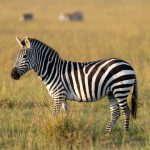
Grevy’s zebra are the world’s largest wild equid. The narrow stripe pattern and white belly distinguish them immediately from plains zebra, and the conservation context matters here: Grevy’s are endangered, with Kenya holding most of the global population. Namunyak and its surrounding conservancies are part of the core range.
The gerenuk is possibly the most unusual antelope in Africa. A long neck and slender build allow it to reach browse that other antelopes cannot access, and it stands on its hind legs to do so, browsing upright against shrubs and low trees. This posture, once seen, is not something you forget. The species is also dry-country specialist, so northern Kenya is the right place to find them consistently.
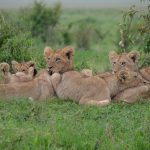
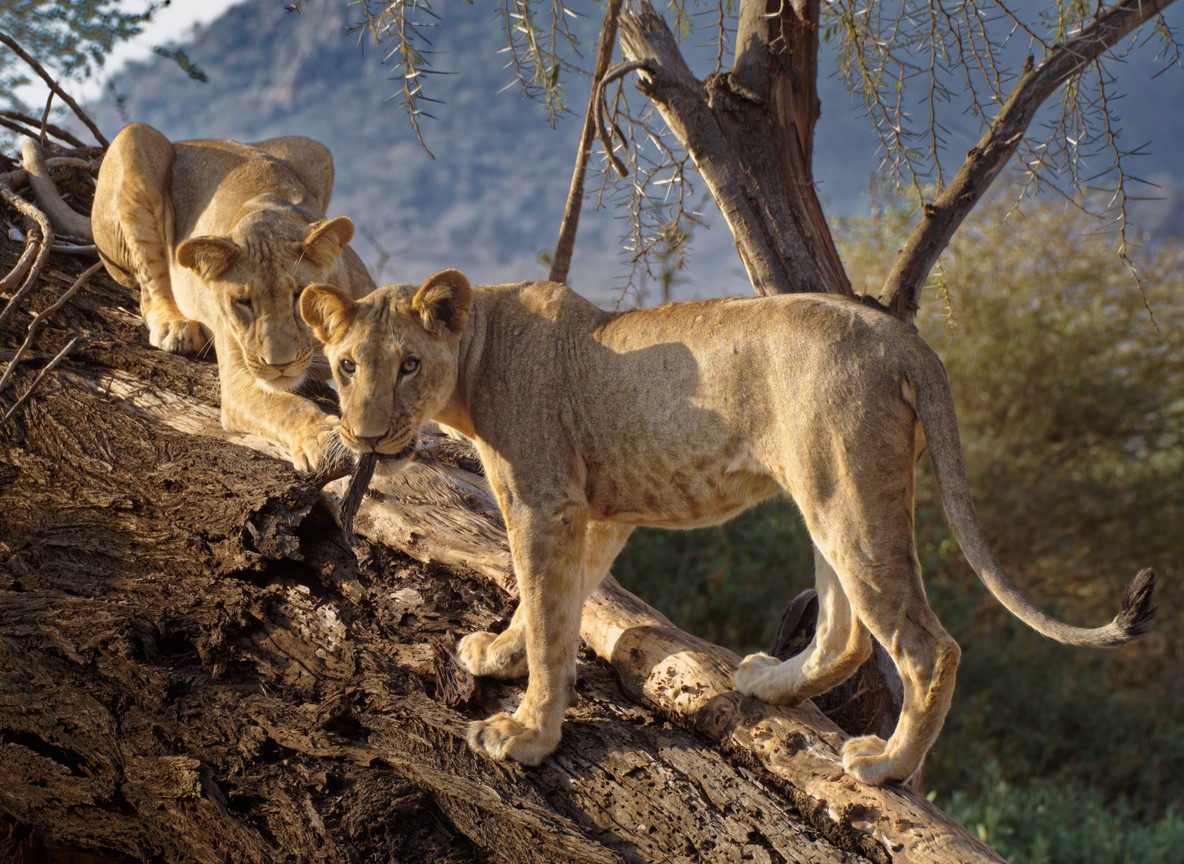
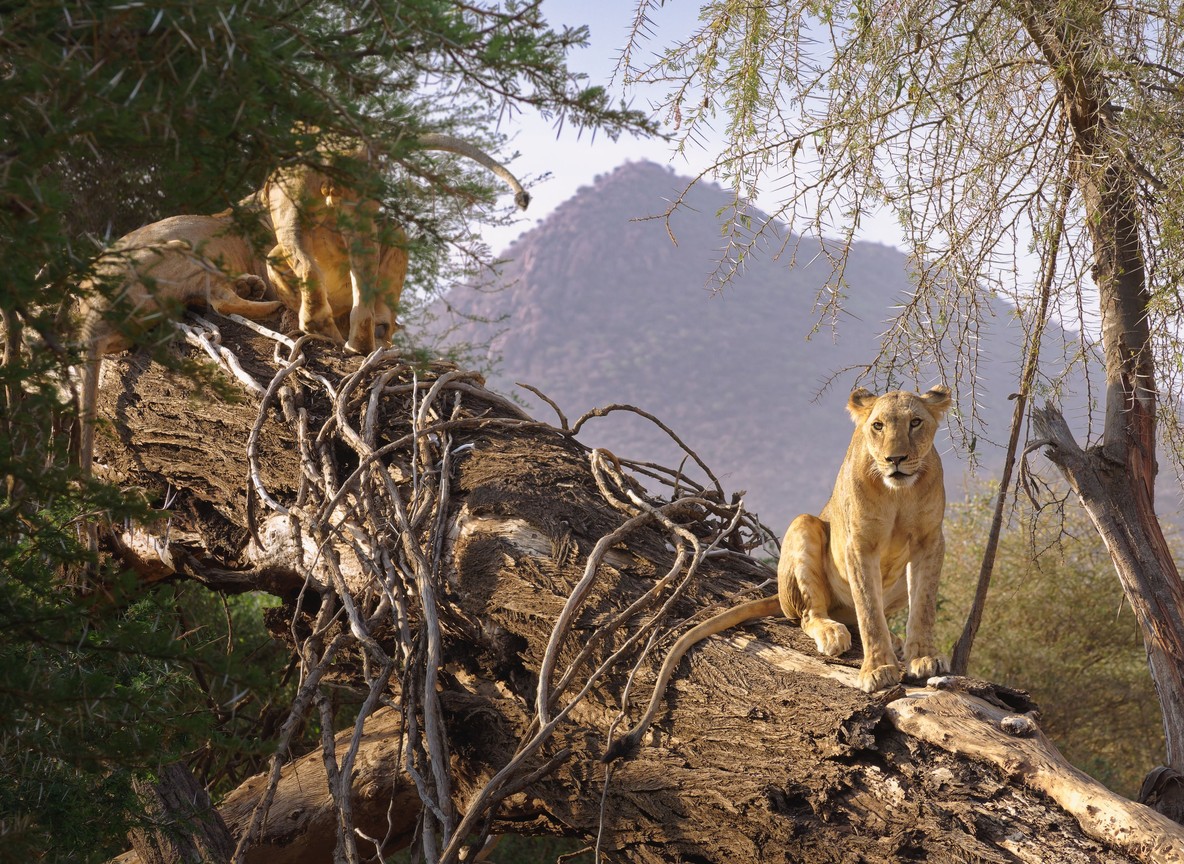
Beyond the special five, the conservancy holds healthy elephant numbers, lion prides that range widely across the territory, leopard (resident but elusive), and wild dog, which move through the Mathews Range corridor on an irregular basis. Bird diversity is high for a semi-arid system, with raptors well represented and the forest zone adding species that the scrubland does not hold.
The Community Conservation Model and Why It Matters
Namunyak is not managed by Kenya Wildlife Service. It is a community conservancy, owned and governed by the Samburu communities whose ancestral territory it covers. The operating logic is that conservation is sustainable only when local people benefit from it in concrete ways: through employment in the conservancy, revenue from tourism, and genuine participation in management decisions.
That structure is visible on the ground. Guides in Namunyak are typically Samburu community members with knowledge of the landscape built across years of living in it. Community game scouts patrol anti-poaching routes. Tourism revenue funds conservation infrastructure, water access, and community programs.
The Reteti Elephant Sanctuary, located within the broader Namunyak network, is one of the clearest expressions of what community-led conservation can achieve. Established in 2016 by the Namunyak Wildlife Conservation Trust, Reteti is the first community-owned elephant sanctuary in Africa. Orphaned elephant calves, many rescued from human-wildlife conflict situations or from mothers killed by drought or poaching, are raised by Samburu keepers before being reintegrated into wild populations. The sanctuary is staffed entirely by local community members, including the first female elephant keepers in Kenya.
A visit to Reteti during a morning activity slot is one of the more affecting experiences available in Northern Kenya. Arriving when the calves come in for their morning milk feed, watching the keepers interact with animals that clearly know and trust them, provides a conservation story that is specific and tangible rather than abstract.
Activities in the Conservancy
Game drives in Namunyak follow the natural rhythm of wildlife activity, with the most productive time in the early morning when animals are moving before heat builds. The lower luggas are good starting points, with the mountain foothills as a destination for mid-morning drives before the day warms. Afternoon drives shift toward areas with shade and seasonal water.
Walking with Samburu guides is available and changes the experience substantially. On foot, the landscape becomes immediate in a way that a vehicle does not replicate. Tracks become legible. The sounds and smells of the bush register differently. Walks are typically route-based rather than open-ended, with the guide reading sign and directing attention to things that would be passed at vehicle speed. Most walks run for two to three hours in the early morning and are manageable for reasonably active travelers.
Cultural engagement is available through visits to Samburu manyattas (family homesteads) in and around the conservancy. These visits work when they are coordinated properly through community channels, with clear timing, a host briefing, and enough time for genuine exchange rather than a fifteen-minute stop. Samburu cultural knowledge is sophisticated and specific: age-grade systems structure social roles, beadwork carries communicative meaning, and the relationship between people and cattle runs through the entire social fabric. A well-guided manyatta visit can explain these things in ways that carry over into how you see the whole landscape.
Pairing Namunyak With Other Northern Destinations
Namunyak works well as part of a wider northern route rather than as a standalone destination, particularly for travelers with ten days or fewer. Two common sequencing approaches both have merits.
The first route begins in the Samburu National Reserve and Buffalo Springs corridor, which offers the easiest entry to northern Kenya wildlife with excellent game density and reliable infrastructure, then moves into Namunyak for the conservancy and community dimension. This order suits travelers who want to orientate to the northern species before moving to more remote territory.
The second route starts at Namunyak and moves north or east toward Marsabit National Reserve or the Lake Turkana corridor. This suits travelers who want to push into genuinely remote northern Kenya with the conservancy as an entry point rather than a closing chapter.
Logistics deserve attention in both cases. Road transfers into Namunyak can be rough, particularly during or just after the long rains. Flying into Samburu airstrip and completing the final sector by road is a common option. Direct fly-in to the conservancy’s own airstrip, where light aircraft land, cuts transfer time considerably and is worth the cost for travelers with fewer than five nights in the north.
Best Time to Visit
January through March and June through October are the two most reliable windows for Namunyak. Both periods offer dry roads, predictable wildlife movement, and manageable temperatures for walking.
January to March brings clear skies and low humidity. Wildlife concentrates around permanent and semi-permanent water sources, which makes morning encounters more predictable and the light quality in the early hours is excellent for photography. June through October sees consistent conditions with lower vegetation after the rains have cleared, improving sightlines in the scrub.
November to early December brings the short rains and a different character to the conservancy. The Mathews foothills green quickly and the landscape becomes more complex and layered. Roads in the lower areas can be affected by rain, but the mountain zones hold up better. Accommodation rates are sometimes lower in this period.
April and May are the long rains, and while the conservancy stays open in most years, road conditions can be genuinely challenging. Fly-in access is the better option if visiting in this window.
Accommodation and Logistics
Camps in Namunyak are typically small, between four and eight units, and positioned around specific activity assets rather than general comfort. Camp placement matters here: a unit near the luggas gives different morning access than one positioned toward the mountain foothills. When booking, it is worth asking about the camp’s primary activity zone and how that aligns with your interests.
Named options give a concrete sense of the range: Sarara Camp sits on the Mathews slopes with six en-suite tents and wide wilderness views; Sarara Treehouses raises eight tents into the forest canopy at the foot of Warges Peak, with elephant and buffalo moving beneath at night; Reteti House is a private, family-oriented lodge close to the elephant sanctuary; and Kitich Camp is a forest retreat further into the Mathews, built around walking and birding rather than vehicle-based game drives.
Three nights is a workable minimum for Namunyak. That gives one orientation day, a full exploration day with flexibility for a Reteti visit, and a final morning. Two nights can produce a good experience if you arrive already adjusted to the northern pace and heat. Four nights allows a longer walk, a proper cultural engagement session, and time to simply absorb the landscape without feeling rushed.
Pack for temperature variation. The Mathews Range becomes genuinely cool at night even when the lowlands were warm during the day. Dust is constant in the dry months, and quality sunglasses, a hat, and a light dust buff make an appreciable difference to daily comfort.
Who Benefits Most From a Namunyak Visit
Travelers who connect most with Namunyak are those who want conservation context alongside wildlife, who find landscape as interesting as species lists, and who are comfortable with remote logistics that are less polished than major circuit parks. The conservancy is not a luxury-circuit destination built for maximum comfort. It is a working piece of land with a serious conservation purpose, and visits that arrive with genuine curiosity about how the whole system functions tend to produce the most meaningful experiences.
That said, the conservancy is not demanding for most travelers. The camps are comfortable, guides are knowledgeable and attuned to different guest rhythms, and pacing can be adjusted to suit varying energy levels. Families with older children, solo travelers, conservation researchers, and photography-focused visitors all have strong reasons to be here.
Travelers whose primary objective is maximum wildlife encounters in the shortest time will find the pace here slower than game-dense reserves. If that is the sole goal, Samburu National Reserve alone may deliver more within a tight window. If the goal includes understanding how land and community and wildlife interact, Namunyak offers something that a reserve visit cannot.
Practical Planning Notes
Confirm road access conditions with your accommodation before departing if you are arriving overland during or just after rain. The lugga crossings that are straightforward in dry season can become impassable after sustained rain.
Build the Reteti visit into a dedicated morning block rather than treating it as a brief addition to a game drive. The experience warrants two to three hours and benefits from arriving at feeding time, which is early morning.
Cultural visit timing needs advance confirmation with guides. Community schedules do not always align with the same-day flexibility that guests sometimes expect, and the best visits are ones arranged a day ahead with proper host coordination.
Where to Go Next
Travelers who have spent time in Namunyak often continue north toward Marsabit National Reserve, which offers a different landscape altogether: montane forest, crater lakes, and one of Kenya’s last populations of large-tusked elephants. Travelers pushing further into the Northern Frontier from there can continue toward Sibiloi National Park on Lake Turkana’s eastern shore, the volcanic Chalbi Desert around North Horr, or the remote Suguta Valley, though all three are serious wilderness legs requiring dedicated planning rather than a casual add-on. Those returning south commonly add the Samburu National Reserve to close the wildlife portion of the trip before heading back to Nairobi.
For broader northern Kenya route planning and conservancy logistics, trunktrailssafaris.com carries detailed destination notes across the northern circuit.
Related reading on Tourinsights: Northern Kenya Conservancy Comparison and Northern Kenya Cultural Safari Guide.
Prefer a different route, budget, or travel style? This plan can be adapted to fit.
Customise Your TripFurther reading
More safari planning resources
- Map of Samburu from Valley Safaris
- Samburu destination guide on FindMySafari
- Big Five safari collection on FindMySafari
- Kenya national parks map from Valley Safaris